History & culture
Community, history and culture
Farming roots
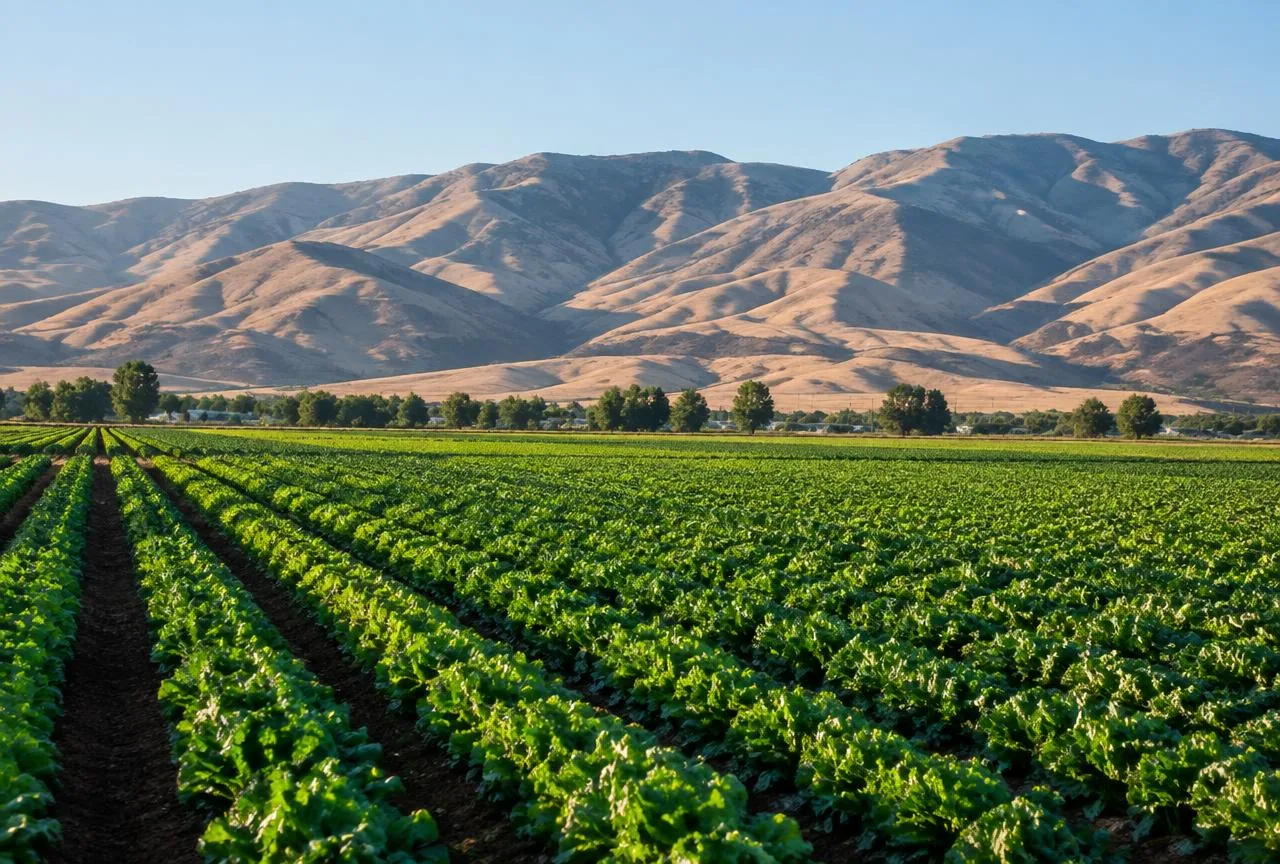
Guadalupe grew up around agriculture. The rich soil and mild coastal climate of the Santa Maria Valley make it well suited to growing vegetables and other crops through much of the year, and farming has long been at the center of the local economy.
The rhythm of planting, tending, and harvesting still shapes daily life. Many families in town have ties to the fields that go back generations, whether through working the land, running farm operations, or supporting the businesses that serve them.
A town of many heritages
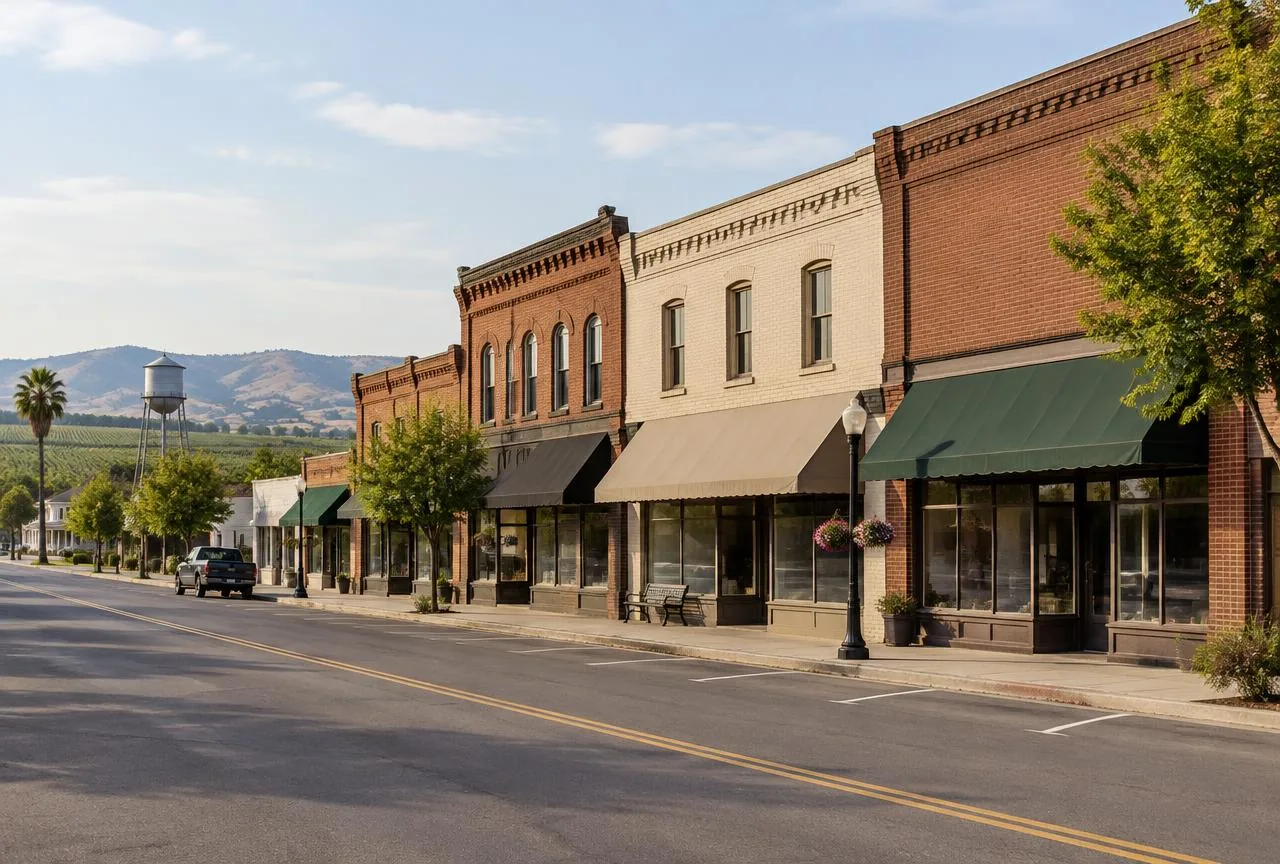
Guadalupe's story is a story of people arriving to work and building lives here. Over time, waves of farmworkers and families came to the valley, and Filipino, Mexican, Japanese, and Swiss-Italian communities each left a lasting mark on the town.
Some came to work in dairies and ranches, others in the vegetable fields, and many stayed to raise families, open small businesses, and build churches, clubs, and community halls. Their traditions live on in food, faith, music, and celebrations, and in the multilingual, close-knit character of the town today.
This history includes hardship as well as resilience. Generations of families faced difficult working conditions and, at times, discrimination. Their persistence and mutual support are a central part of what makes Guadalupe the community it is.
The Highway 1 corridor
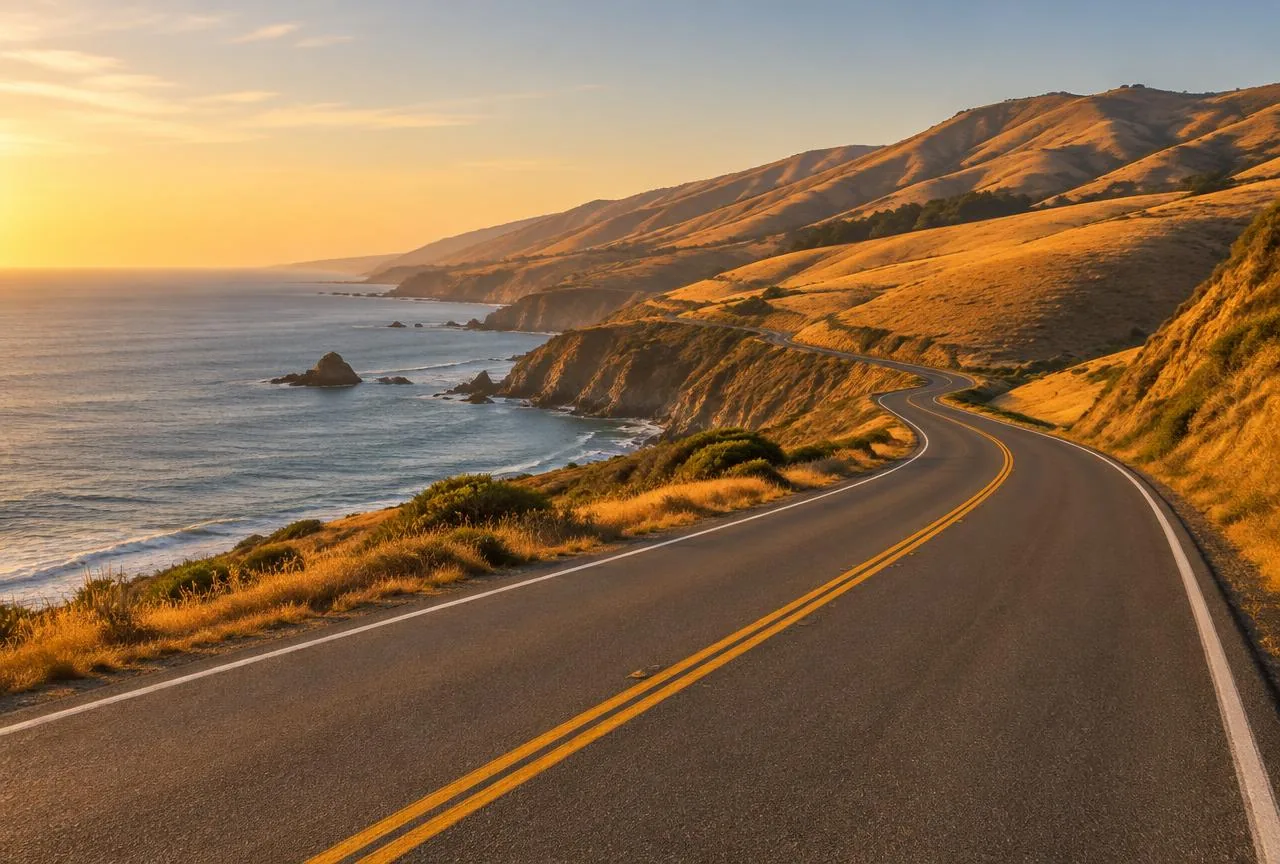
Highway 1 runs through Guadalupe, connecting the town to neighboring communities, the wider Santa Maria Valley, and the coast to the north. For residents it is a working road that carries crops, commuters, and neighbors; for visitors it is part of one of California's most scenic routes.
That connection has always mattered. It ties a small farm town to the larger region while still leaving room for Guadalupe to keep its own distinct identity.
The dunes
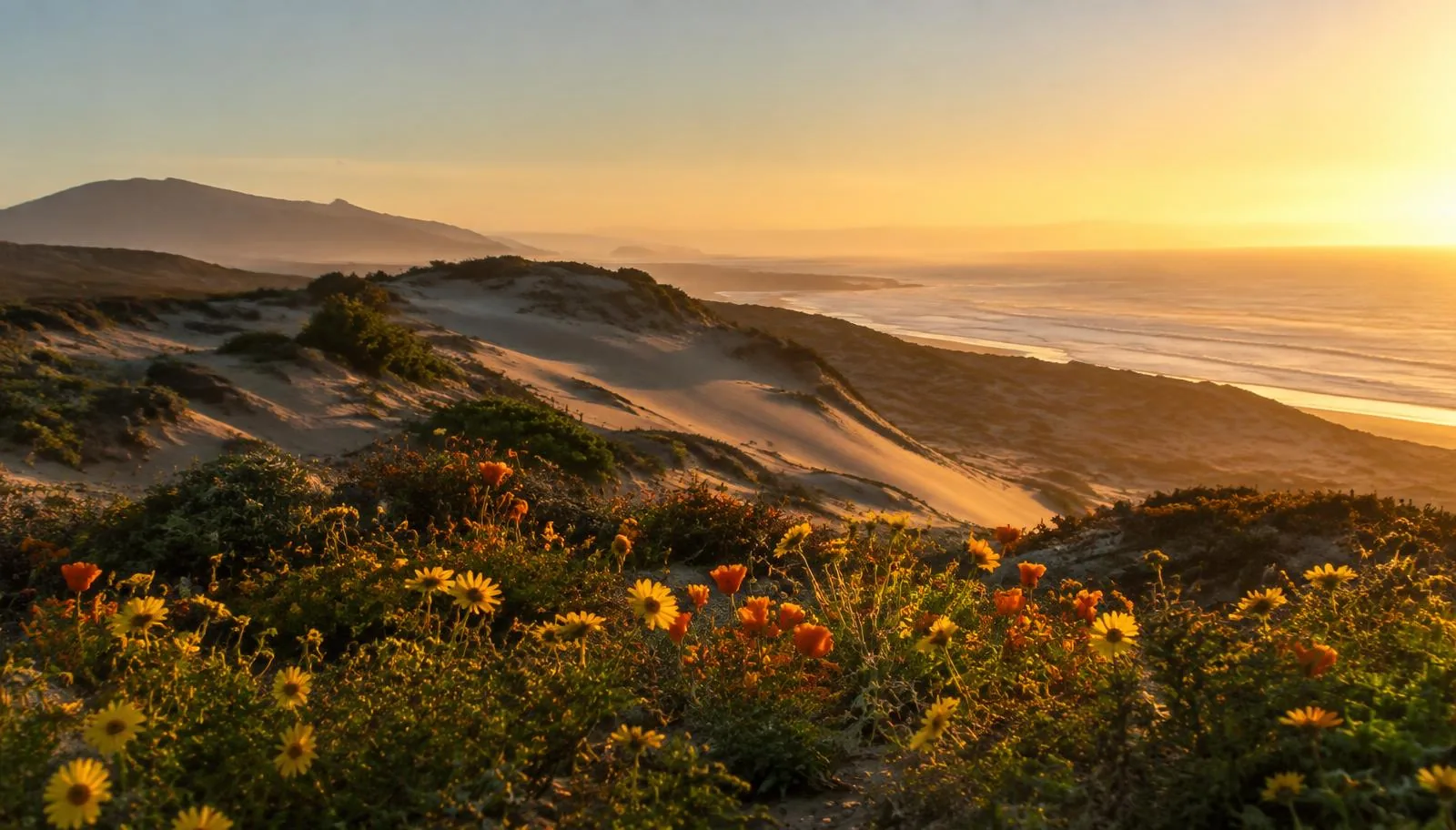
West of town, farmland gives way to the Guadalupe-Nipomo Dunes, a vast and fragile coastal landscape. The dunes have long been part of local life, a place for walks, fishing, and quiet time by the ocean.
Today they are valued as protected habitat, home to rare plants and wildlife. Caring for them is a shared responsibility between residents, visitors, and the organizations working to preserve them.